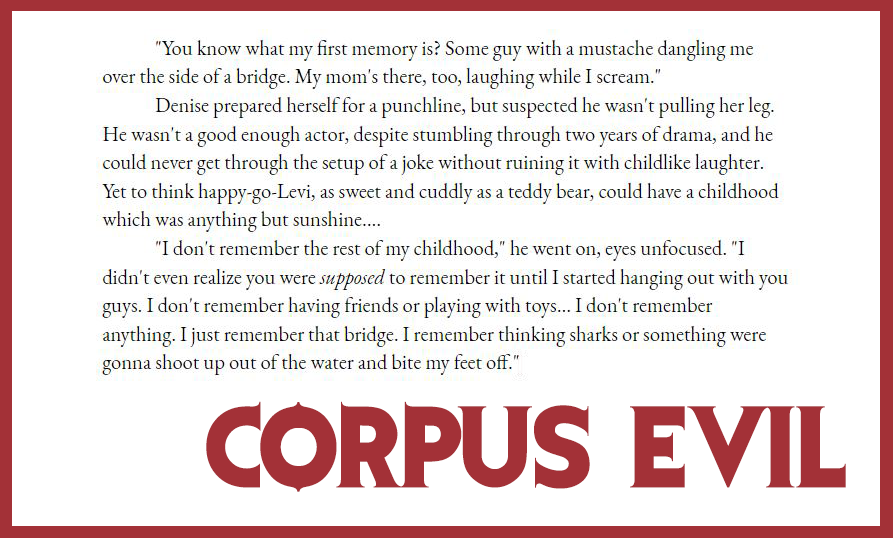
When do you stop revising? [Corpus Evil]

Corpus Evil is told in five parts, beginning in 1982 and ending in the far future. I had planned on a single week of revisions for each part, but the first two parts took me months. I’ve just begun to revise part three of the story, but so far it’s going much better than parts one and two did. In fact, I think I’ll have it whipped into shape by the middle of the week.

And that’s a question I used to struggle with: How do you know you’re done with the first round of revisions? Lately, the answer is when I’m ready to show it to my girlfriend. After she’s done reading the book it’s going off to the beta readers. After that, I plan to use pre-orders to judge how much money I want to spend on editorial services, at which point I hope most of the developmental stuff will be done.

I still don’t have a marketable description for Corpus Evil, but I’ll talk a little more about it here. It was originally intended to be a short story about a group of teenagers who uncover an ancient evil in an abandoned church camp. Considering I had just spent five or six years working on an absurdly complicated science fiction novel, the story was extremely easy to write by comparison. (The biggest problem with the science fiction novel was I never set deadlines or limits on the revision period… the damn thing just ballooned and ballooned after the first draft was completed. I learned a lot, but I suspect I wasted a lot of my time, too.)

Immediately after finishing the short story, which was called Church Camp at the time, I began working on another short story. About two pages into it I realized the main character of the new story could be one of the survivors from the previous story, all grown up. Once again, the story nearly wrote itself. Meanwhile, I began to wonder: What happened to the other survivors?

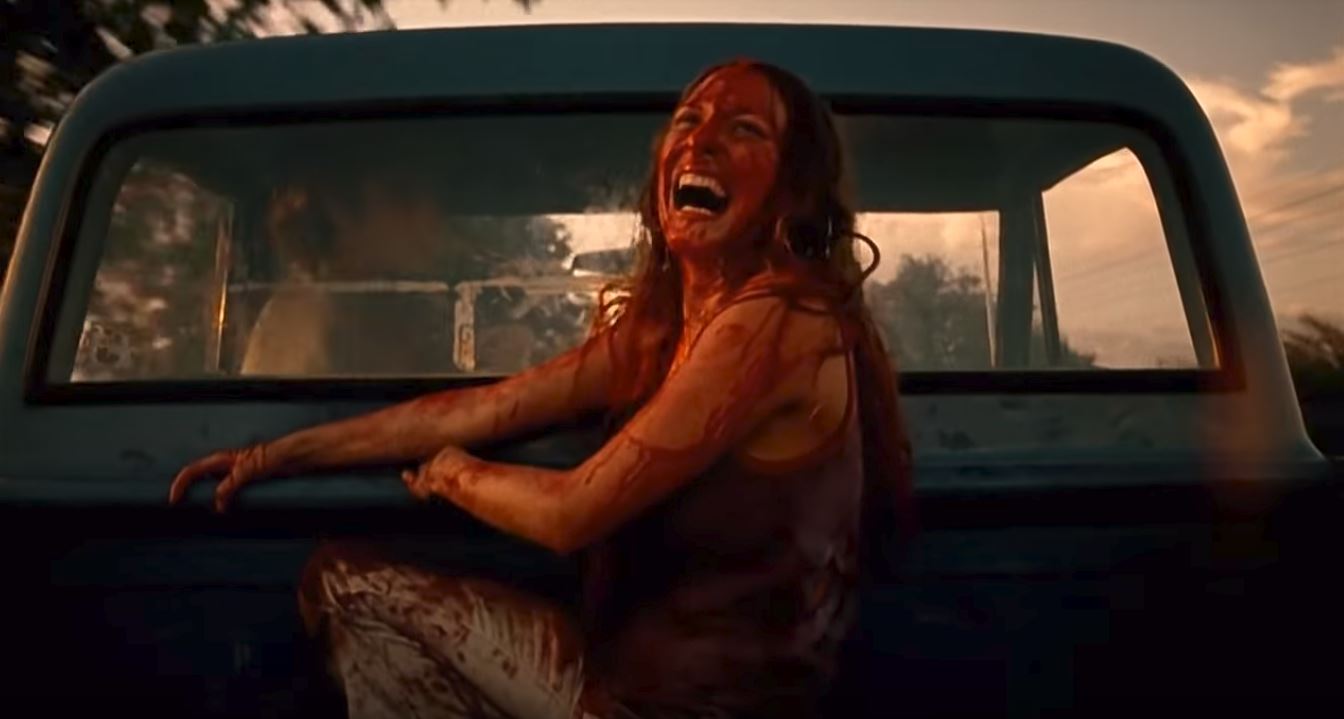
I think the most honest ending in a horror movie was The Texas Chainsaw Massacre, which leaves its heroine screaming at the brink of irreparable insanity. Events like that tend to fuck people up. If your characters are mentally unscathed by the end of your horror tale, you’re either cheating your audience or kidding yourself.

The first part of Corpus Evil is the massacre, so to say. The rest of the book explores what happens next.

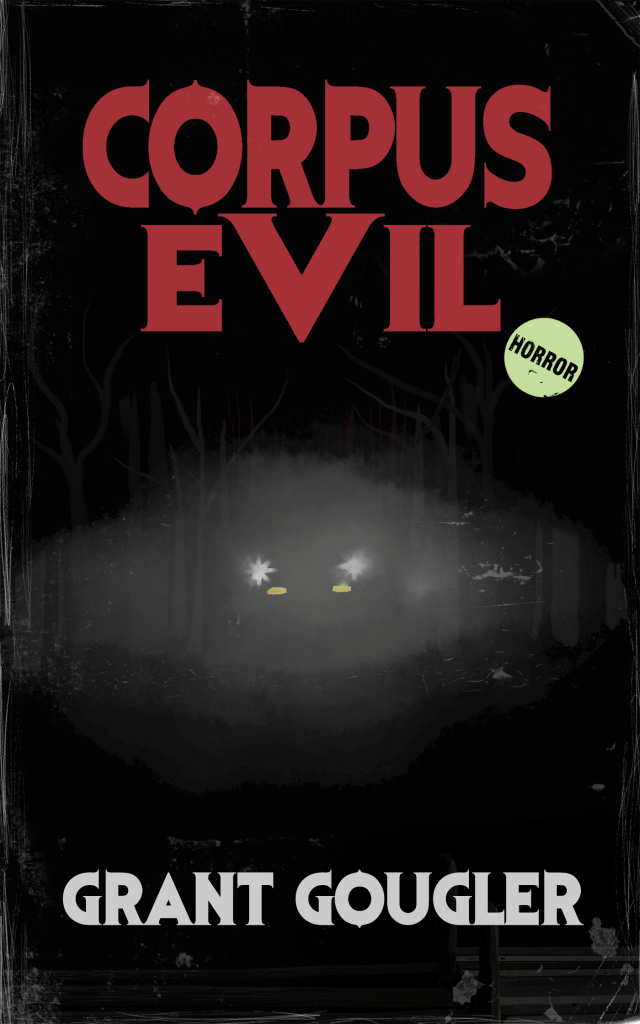
Corpus Evil is coming April 1st, 2018.

The Last Jedi (2017) [Midnight Movie]

A lot of people thought The Force Awakens was too derivative of the original trilogy. Starkiller Base notwithstanding, I disagree, but I can see where those people are coming from. I just thought it was a smart move to give us a healthy dose of familiarity in order to make sure the new trilogy got off to a solid start. (But yeah, I could have easily checked out during that final assault.)

Despite my enjoyment of Awakens, I went into The Last Jedi hoping for a lot less familiarity. The good news is I’ve never seen a Star Wars movie that looks like this outside the expected space battles. The bad news is I was seventeen minutes late (the first time I’ve been late to a movie since 1997) due to the fact I’m kind of a complete idiot. I’ll tell you this, though: I never knew how important the opening crawl was until now.

So yeah, I was a little too annoyed with myself (and the theater playing it at a criminally low volume) to really lose myself in the movie. There’s not a whole lot I can say until I see it under proper viewing conditions. I will say the visuals topped the previous movie.

Oh, and I was neutral on porgs before the movie, but they seemed kind of pointless. I’m kind of glad JJ’s coming back because he leans towards the weird more than the cute.

December 16th update. I’ve seen the movie again, distraction-free, and confirmed what I already suspected: this isn’t a great Star Wars movie. It feels like JJ had a good idea where the story was going and Rian Johnson abandoned it all in the interest of making sure all of the fan theories were wrong. The problem is the fan theories were working with what had been established. This movie doesn’t.

One or two (or even three or four) of these surprise moments would have been perfectly acceptable, but the movie’s plot takes numerous hard turns and, in doing so, fails to give us anything we would want or expect from a Star Wars film. Meanwhile, Finn’s subplot ends up nowhere, the new characters fall embarrassingly flat, and although there are sparks of excitement, they’re nowhere near as potent or sustained as they were in previous films.

I can’t say I saw any of the surprises coming, but none of them felt very… surprising. In fact, it was more like unwrapping a gift and discovering socks inside. When the twists fly in the face of what you’ve established, isn’t that just cheating? This feels like a child telling a story: “And then this happens, and then, and then….” It just doesn’t really connect.

Some of this playing with expectations would have worked in a different kind of movie, particularly the adult-oriented movies Johnson is known for, but hardened sentiments do nothing positive for a fairy tale set in space. Fairy tales work because of the tropes, but most of all because they ultimately give us what we want to see. Jedi is a remarkably pulpless fantasy for a series about laser swords and princesses, good and evil. It feels like fan fiction written by someone who genuinely loves the source material, but now I’m left with the desire to see the official version.

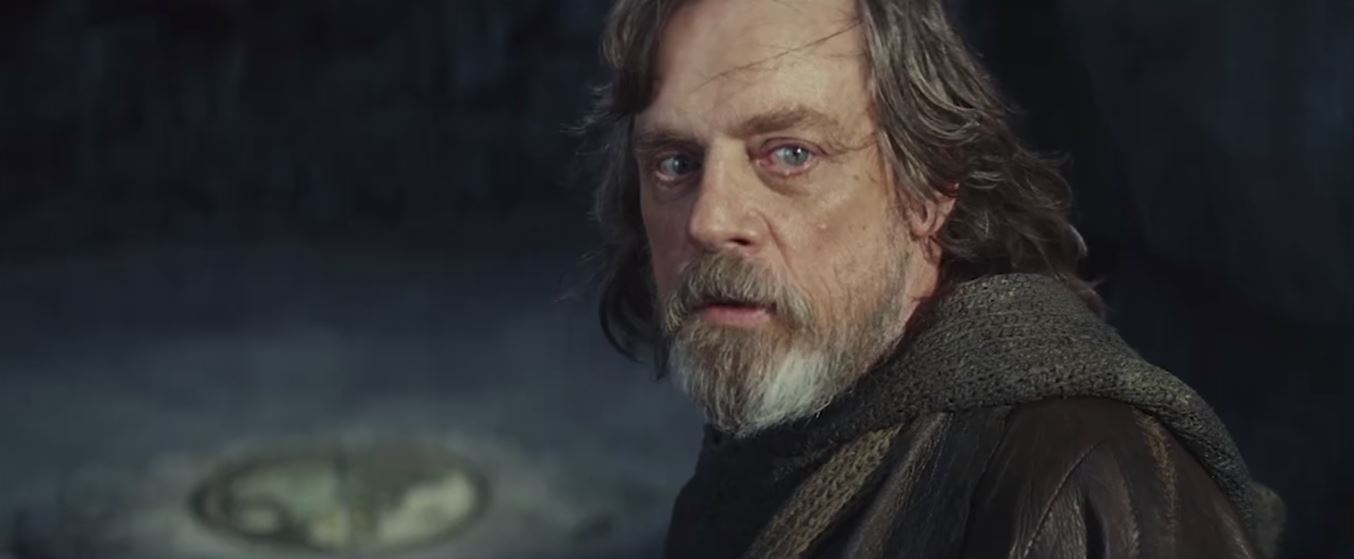
And what they’ve done to Luke is probably the blandest, most disappointing aspect of it all. Unfortunately, this is a canon Disney will stick to like glue, which means there are no redos. There were blips, in the beginning, in which he felt and acted like the Luke we know and love, but those moments were brief. It’s funny that a movie that blabbers on and on about hope would effectively kill the hope for future films.

I think the biggest takeaway from The Last Jedi is that the honeymoon period is officially over. Now we’re stuck with Disney til death do us part. I can’t believe we’ve waited two years for this. I would have rather gotten Star Wars 1313 than one good movie and two mediocre ones. And that’s yet another reason to resent Disney’s acquisition of the property: we almost got a game which looked like a masterpiece, but instead we got EA’s Battlefront 2.

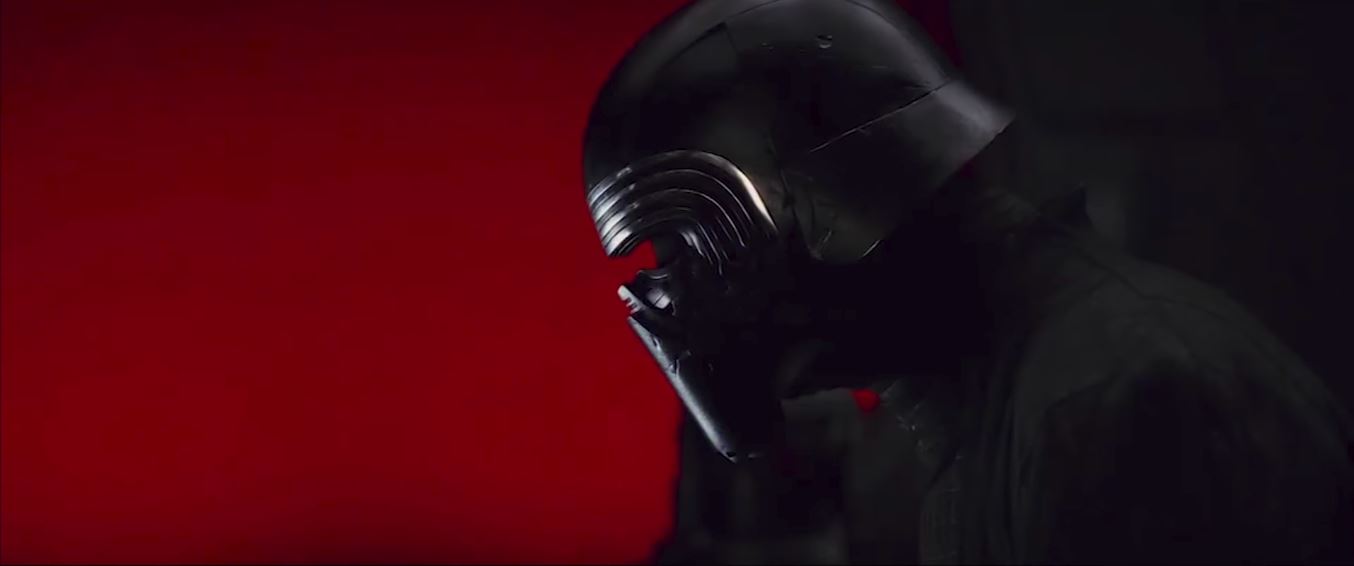
I still think it’s one of the best looking movies of the year and some of the new locations were more appealing than anything in Force Awakens. But, as with the prequels, I think the hardcore fans are going to be pretty disappointed when the new wears off. I’m not the biggest fan of the prequels myself, but I appreciate ’em a helluva lot more than this one. Come to think of it, I don’t think any of these bad guys are as interesting as General Grievous. (Speaking of which: why are there so many bad guys in the new trilogy?)

Even after writing all this I feel like I’m still in the denial I was in after seeing it the first time. I can’t help but think, “Maybe I’ll like it when I see it again in the future,” and “maybe it’ll all make sense after the third one’s out,” but I think it’s more likely that JJ’s going to have an even harder time getting the series back on track than he did the last time.

The Disaster Artist (2017) [Midnight Movie]

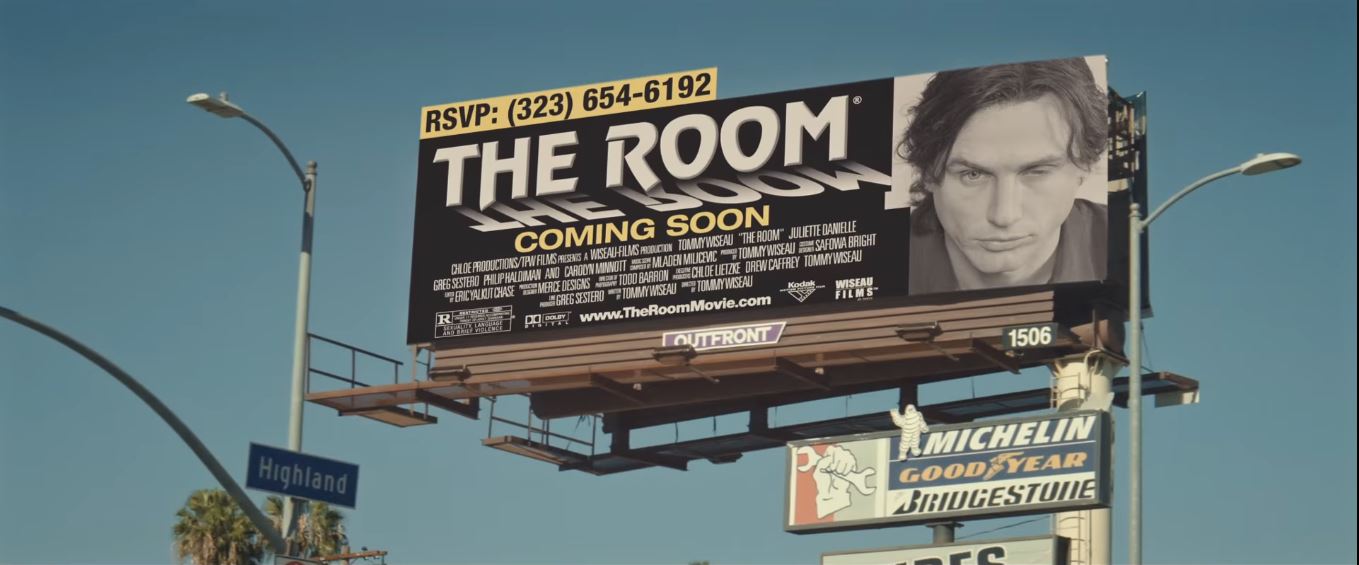
The Disaster Artist was easily my most anticipated movie of the year, if only because I loved the book it was based on. For the uninitiated, Hollywood hopeful Greg Sestero (Dave Franco) begins an unlikely friendship with the mysteriously odd Tommy Wiseau (James Franco) and it’s not long before the two of them cohabit an apartment in LA. Sestero finds modest success in the movie industry while Wiseau, who likens himself to James Dean despite his ghoulish appearance, struggles with auditions.

When a Hollywood producer informs him he’ll never be a star, Wiseau decides to make his own movie the only way he knows how: very oddly. He buys his equipment outright, which is pretty much unheard of in Hollywood, and he builds sets despite having access to the real world locations that appear in his script. As in real life, whenever someone questions the way Wiseau does something, he tells them in that untraceable accent of his, “Because this is real Hollywood movie.”

The concept is ripe for comedy and the movie certainly delivers, but if there’s anything disappointing about The Disaster Artist it’s the brevity of it. The movie is only 105 minutes long and that’s including celebrity interviews at the beginning of the film and scene-by-scene comparisons at the end. That stuff is fun to watch, but it feels more like extra features than something to put in your final cut. (I heard Franco and company remade more than forty minutes of Wiseau’s movie, so hopefully we can expect to see it on the Blu-Ray.)

There were a lot of details left out, too. Its absence is understandable, but I would have loved to see Franco’s take on the fake commercial Wiseau shot in order to get himself into SAG. And although the book wasn’t full of drama, I think the movie could have used more of it. They kind of breeze over the more worrisome aspects of Wiseau’s indecipherable psyche, which somehow made me less sympathetic to the fictionalized version than the real one. My only other complaint is the cameos are kind of pointless; you’ll say, “Hey, it’s Sharon Stone!” but, like the breast cancer subplot in Wiseau’s film, you’ll wonder where the payoff went.

I’m not sure I’d trust the Oscar buzz because it’s a straight comedy and James Franco’s performance, which is a great impersonation with a surprising amount of range, isn’t exactly what the Academy is typically looking for. I say fuck ’em. It’s a great time at the movies, just don’t expect this generation’s Ed Wood.

Bram Stoker’s Dracula (1992) [Midnight Movie]

They could have fixed 70% of my problems with Bram Stoker’s Dracula if they had just called it Francis Ford Coppola’s Dracula. The problem isn’t that the movie isn’t as good as the book—that’s just par for the course. The problem is, with a title like that, you’d expect them to take far fewer liberties than they did, especially considering the novel itself was remarkably cinematic for its time.

The scene in which Dracula is spotted crawling across the wall is chilling in the imagination, but it’s lacking something on the screen. Likewise, there’s some great visual effects, but Coppola leaves them on display for too long while Keanu Reeves somehow manages not to react whatsoever. I appreciate the shameless use of old fashioned sets and sound stages, but the look of the film hearkens back to previous film adaptations even though the bold title suggests it’s intended to be more novel than movie.

Then there’s Keanu Reeves and Winona Ryder who are outrageously miscast for the project. Phony accents aside, I wouldn’t go so far as to say I hated them in this movie because I actually think they could have been good in a different Dracula project. They just weren’t cut out for this Dracula project, which feels like an unhappy marriage between a studio flick and a pretentious art film. The rest of the cast, with the exception of Tom Waits, is more or less spot on. Anthony Hopkins as Van Helsing is a dream come true, at least when the script doesn’t have him acting out of character, and the movie could have used more of Richard E. Grant, Cary Elwes, and Billy Campbell as Lucy’s suitors. The hunt scenes involving these players really are a spectacle; it’s just everything leading up to these scenes I’m not so sure about.

I guess I should mention Gary Oldman as Dracula, but I really don’t know what to say. He’s good here, I suppose, but I can’t decide if he’s “Gary Oldman good” or if he’s substandard compared to the rest of his filmography. This is at least the second time I’ve seen this movie and I still feel like there was too much stuff distracting me from Oldman’s performance.

Once it gets going, the movie frequently comes close to genuine thrills, but never really delivers the goods until heads are lopped off and blood is spewed at our heroes. The horror elements can be damn near perfect at times and the score is great throughout (I often listen to it while I write). It should be noted there was a fantastic pinball machine based on the film as well. But then the pacing is off and Coppola throws in a handful of what-the-fuck moments for no apparent reason.

It’s a highly watchable movie, but it doesn’t quite reach its potential. Usually I’m interested in seeing a director’s cut, but I’m beginning to think the studio cut of this movie is possibly better; I’m not really sure what Coppola was going for at times. I don’t think he did, either.

Corpus Evil is OOZING into retailers now!

Corpus Evil ($2.99) is now available to pre-order on Barnes & Noble and Kobo! Other major retailers coming soon! Please excuse the use of exclamation points! Apparently I’m supposed to use them now!

Corpus Evil releases on April 1st, 2018 (Easter Sunday) with the next book coming out the following September (Labor Day). Which means that, for the first time in my life, I’m actually on strict deadlines for my writerly duties. These self-imposed deadlines have actually benefited my writing habits, but I still don’t know what the next book is going to be about… it’s currently a toss-up between a horror story and a weird science fiction/fantasy/western/post-apocalyptic thing. All I know is I start the first draft on December 28th and I hope to have the promotional stuff ready by the time Corpus Evil goes on sale.

To give you an idea of what the deadlines look like: it took well over a month to get the first part of Corpus Evil into shape, but to stick to my schedule I’ll only have around a week for each of the remaining four parts. I also have to convert this blog to HTTPS, spend a little more time on social media, and work on other promotion-related boring stuff. This is a terrifying prospect for someone who’s an introvert six days out of the week, but it looks like I’ll be joining Facebook soon.

In the meantime, feel free to follow me on my Instagram and Twitter accounts! I’ll try (and probably fail) to be more active!

Corpus Evil coming 2018

Corpus-Evil

An immortal cult. A shamed priest. A killer robot. What do they have in common?

At the end of a condemned road lies the church camp where Levi’s darkest memory formed. Attempting to shed light on his enigmatic childhood, the teenager convinces a group of friends to visit the secluded area. What they find is the land has been abandoned by all but a demonic presence. Several years later, the survivors of that terrifying night learn they can run from the forces of hell, but they can never hide.

Coming soon. Subscribe to this blog and I’ll keep you posted!

Creepshow (1982) [31 Days of Gore]


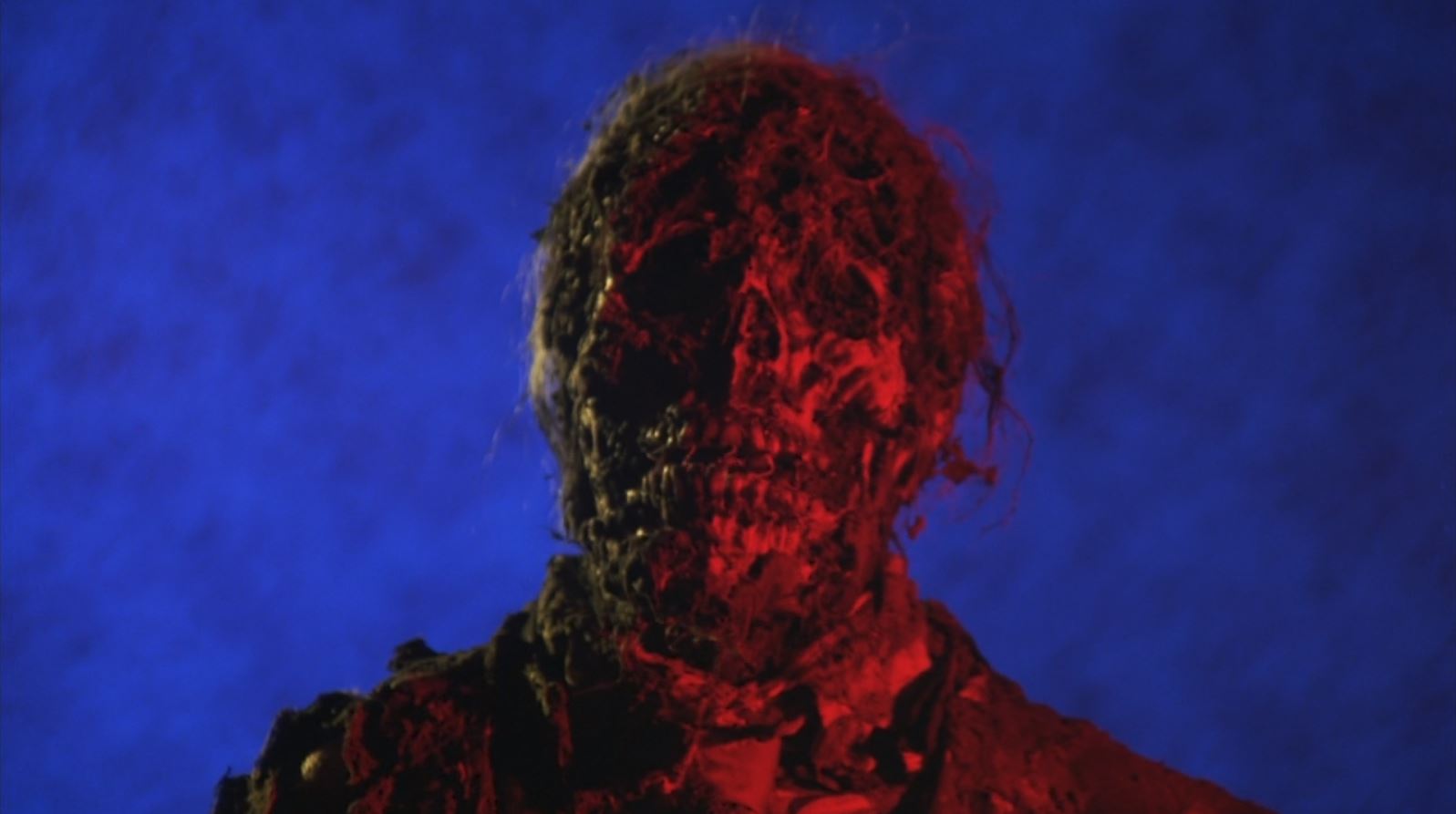
 I wanted to end this year’s 31 Days of Gore with something special. The entire month I’ve been carefully considering which movie it should be. It turns out I can think of few movies more quintessential to my childhood than Creepshow. It was probably my introduction to King, Romero, and Savini, it sports an unbelievable soundtrack by John Harrington (which I listen to quite a bit), and possibly replicates the experience of reading an issue of EC horror more accurately than HBO’s Tales from the Crypt. Never mind the fact it barely works as a horror film, it has a killer cast and every person in it knows exactly what kind of movie they’re making, which is rare when you have so many different kinds of actors.

In the container story, an angry father (Tom Atkins) reprimands his son (Joe Hill) for the horror comic he finds in his bedroom. The comic looks suspiciously like Tales from the Crypt, Vault of Horror, and The Haunt of Fear, right down to the style of the advertisements found inside. The father calls it sick filth and tosses it in the trash. Once the boy is alone, he wishes his father would rot in hell, at which point a ghoul appears at his window to tell him the stories from the comic book in person. Cue the opening credits, which are colorful and fun. (Seriously, why do so many modern movies skip the tone-setting credits?)
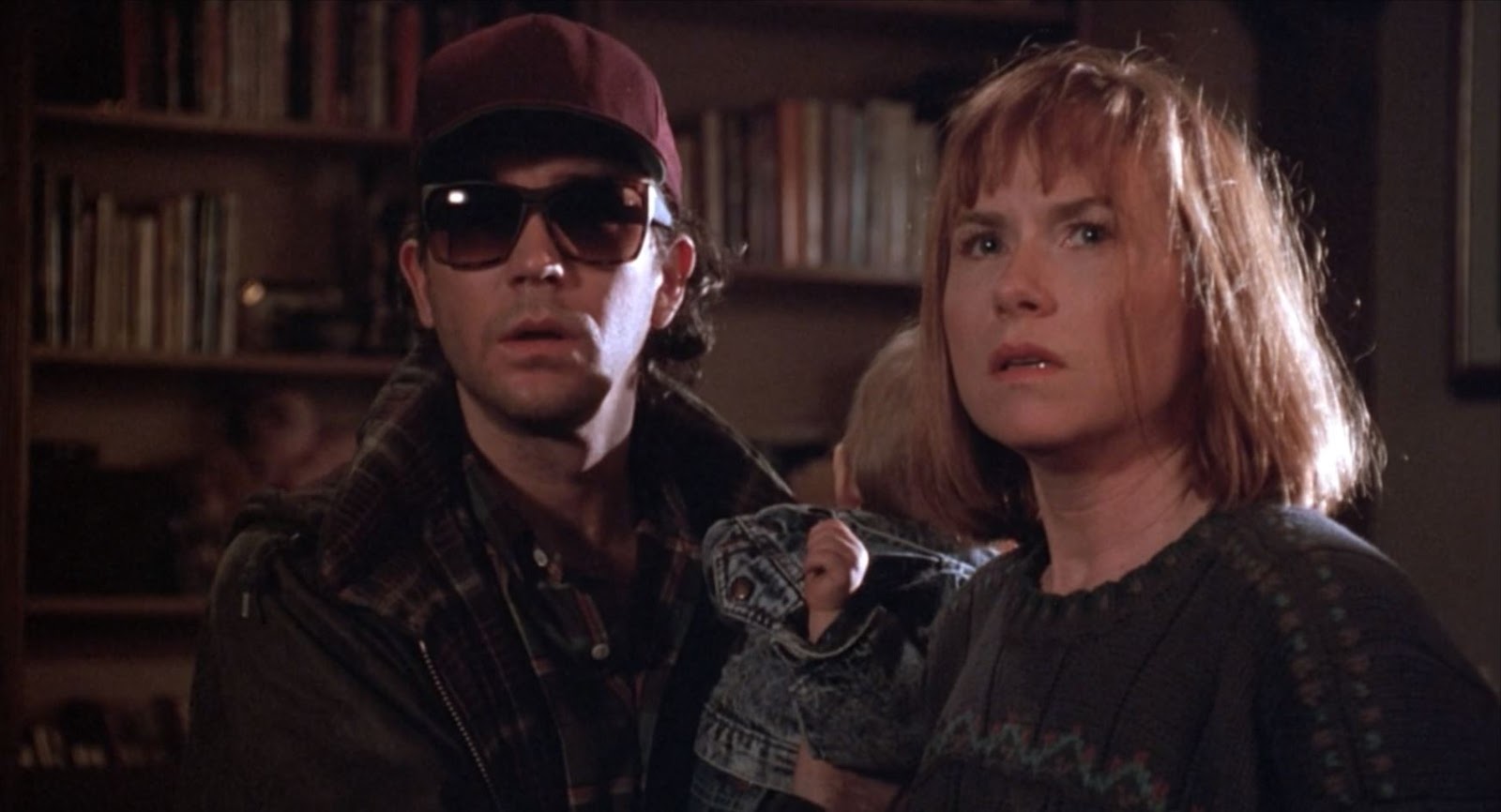
The first story features Carrie Nye, Ed Harris, and Viveca Lindfors, and it’s probably the weakest of the group, but it has a great line (“I want my Father’s Day cake!”) and the hokey feel of a campfire story. I complain about stereotypical characters in horror movies all the time, but these characters are hyper-stereotypical and intentionally so. That’s part of the reason the film is so successful at feeling like the material which inspired it: it revels in being pulp.

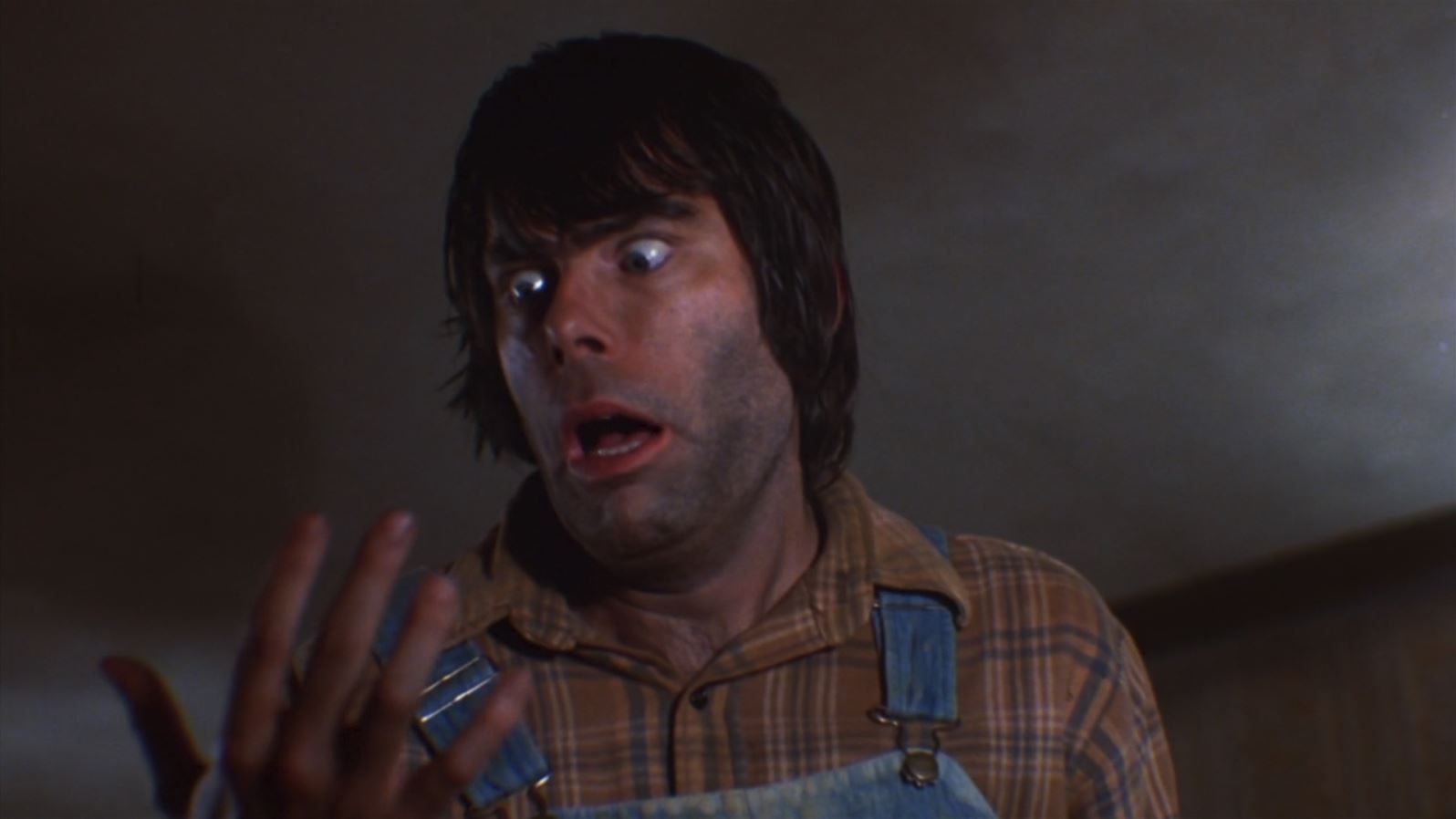
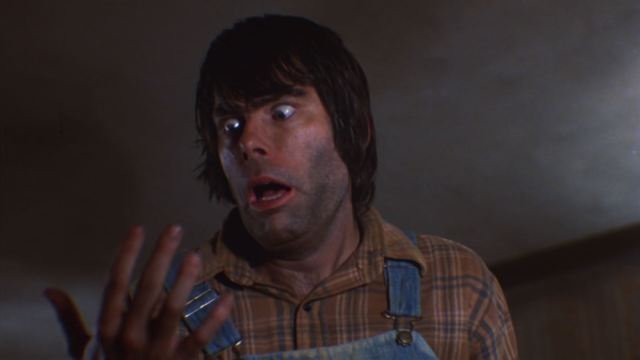
In the next story Stephen King plays Jordy Verrill, a country bumpkin who discovers a fallen meteorite. Much like that moment in The Blob, touching the meteorite is a very bad idea; it infects Verrill’s hand with some sort of alien substance resembling chia grass. King might be the worst actor in the entire movie, delivering a performance which would make Jerry Lewis roll his eyes, but that’s not a complaint. He’s obviously having a blast and it’s just as contagious as the stuff growing on his hand.
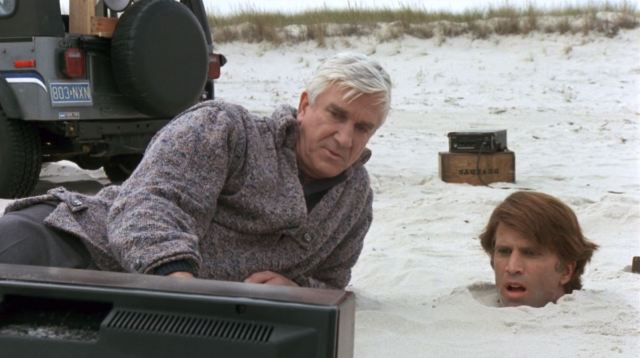
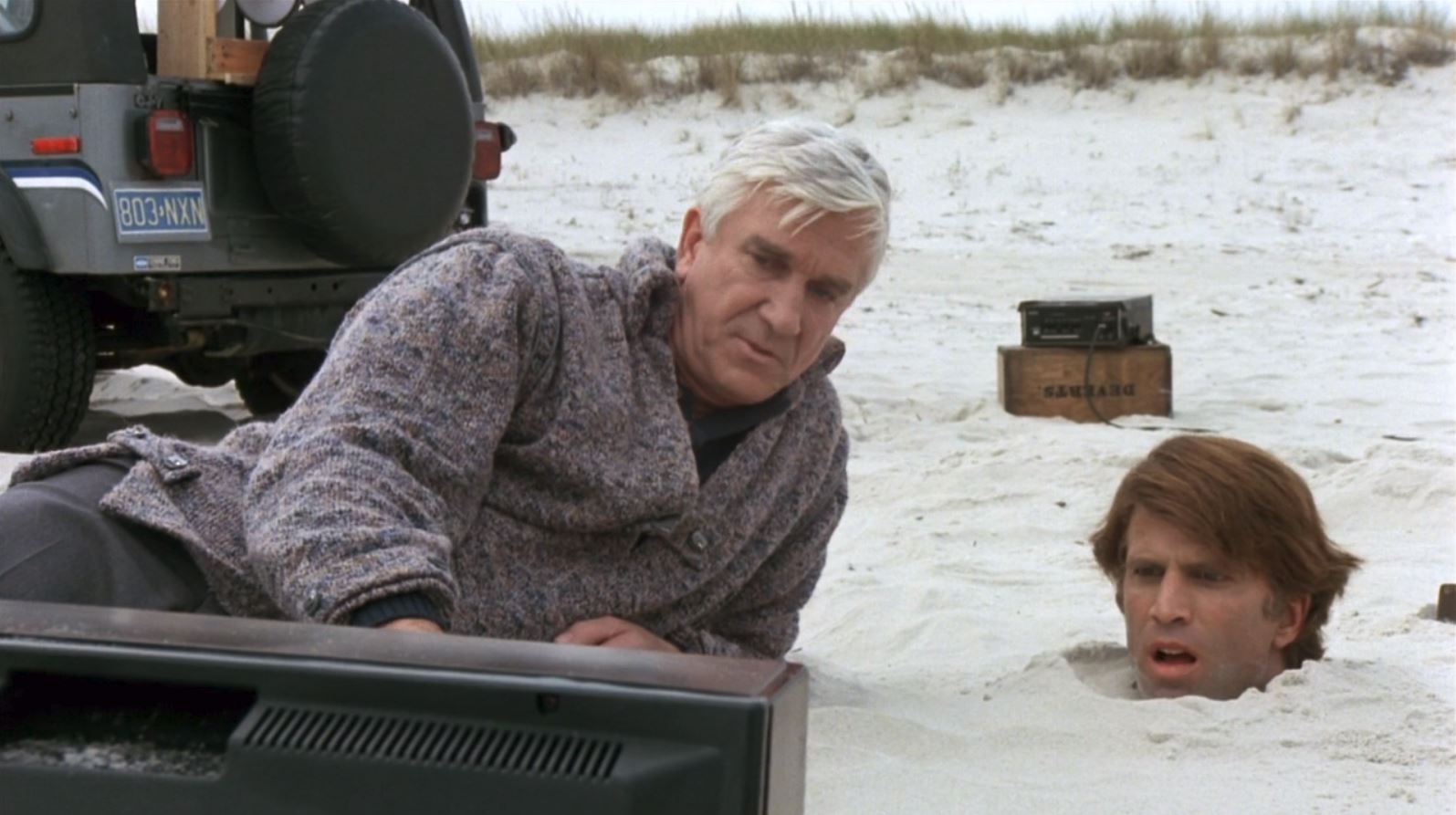
 Following the conclusion of King’s segment, Leslie Nelson gets the best lines of the entire movie in his portrayal of a rich maniac who goes to far-fetched lengths to punish his wife’s lover (Ted Danson). Although he plays it straight, Nelson is doing something completely different than what he did in Airplane and Naked Gun; maybe he’s not as funny here, but he’s definitely the character who made me laugh the most. It might even be my favorite segment of the movie because he’s so cartoonishly evil you can’t help but root for him to do terrible things… so that you can root for terrible things to happen to him later.

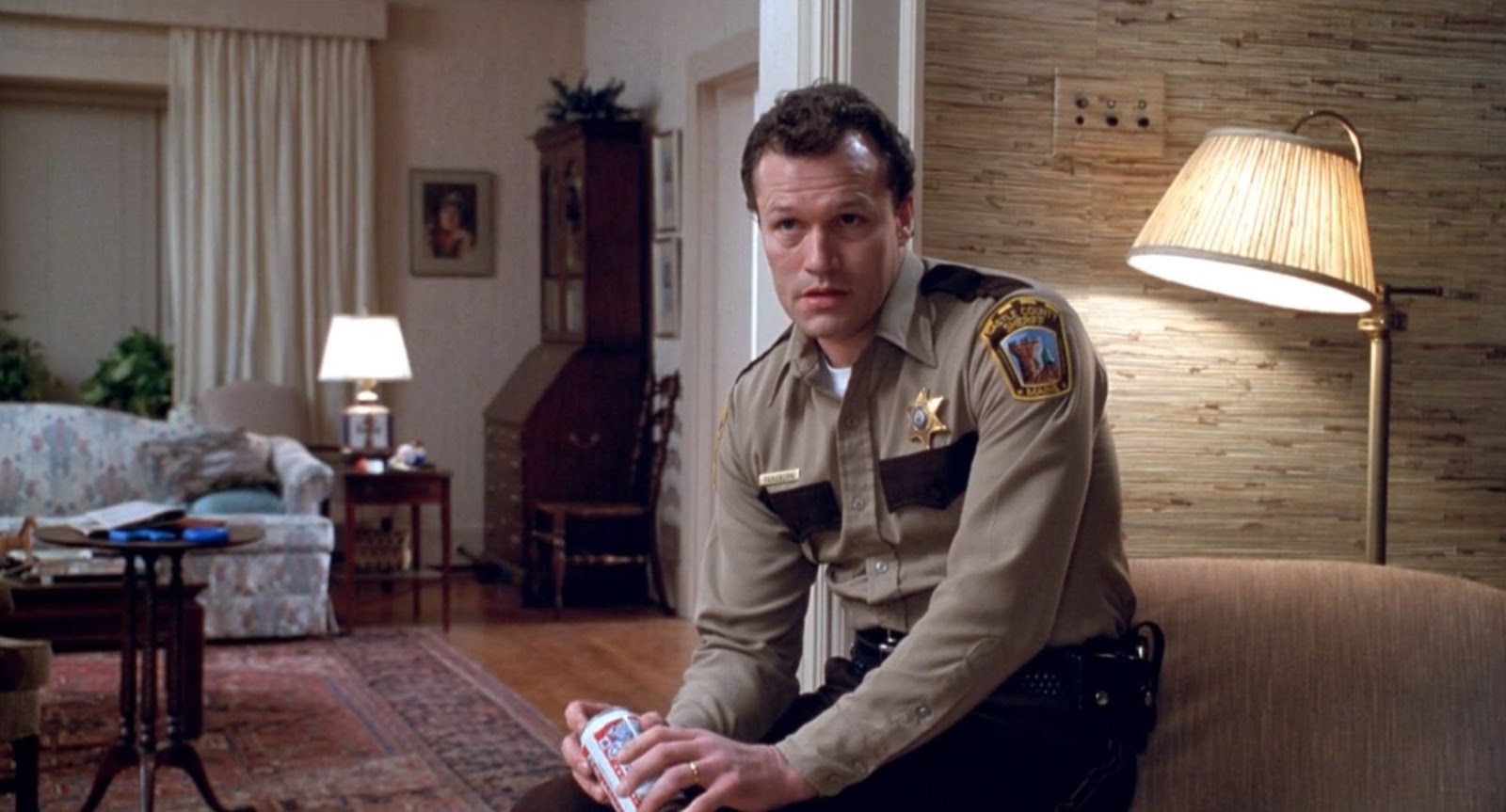
It seems that the penultimate story, The Crate, is everybody’s favorite. In it, Adrienne Barbeau (who also appeared in Romero’s half of Two Evil Eyes) plays a loud-mouthed alcoholic whose husband (Hal Holbrook) fantasizes about killing her. Meanwhile, a friend of theirs discovers a mysterious crate beneath the stairs of the local university. I can certainly see why this is the fan-favorite, and it was probably mine, too, at one point or another, but I found this one was the biggest candidate for trimming some of the movie’s two-hour runtime.

The final story the ghoul tells was probably my least favorite as a kid, but I’ve grown quite fond of it. This analysis is at least partly responsible, but I discovered creepy crawlies are much more effective to me now than I was a kid. My girlfriend, who I’ve never known to squirm during a movie (with the exception of Ichi the Killer) almost couldn’t stand to watch it. In it, E.G. Marshall plays a rich and powerful hermit whose sterile home is infiltrated by cockroaches.

I don’t know what, exactly, elevates Creepshow so high above its aspirations, but there are so few things that make me so gleeful. Creepshow 2 ain’t a bad movie either, but the end of that film is where I part ways with the franchise. Don’t ever expect me to feature Creepshow 3 and the internet-only Creepshow Raw… they really are that bad.
That’s it for this year’s 31 Days of Gore. It was the breeziest one yet!
The Dark Half (1993) [31 Days of Gore]


 It seems there was something in the zeitgeist which led to some superficially similar movies about duality coming out within a short period of time. Brian De Palma made Raising Cain less than a year before The Dark Half and not very long after David Cronenberg’s Dead Ringers, a spectacularly discomforting movie which somehow came out the same year as Twins. I’m not sure why I felt like revisiting The Dark Half more than the examples above, it just seemed to call to me last night the way the sparrows seem to call to Timothy Hutton’s character… that and it was the only one of the bunch freely available on Amazon’s VOD service.

 I give many movies a hard time for not making a lot of sense, but The Dark Half doesn’t make sense in an agreeable way… if that makes sense. There are details the movie takes its time to set up, but many of these details don’t strengthen the core experience, which is this: a novelist’s pseudonym has somehow embodied himself and now he’s going on a killing spree.

So, uh, what the hell does all this have to do with the tumor discovered in the main character’s brain when he was a kid? Why is it important for us to get a pseudo-medical explanation (which somehow manages to explain nothing at all) when the character in question seems to be purely supernatural in origin? Why is there so much talk about schizophrenia when it’s made perfectly clear, early on, that’s not what’s going on? And why write so many one-note characters when you have a cast as outstanding as Timothy Hutton, Amy Madigan, Michael Rooker, and Royal Dano?

It probably sounds like I’m getting ahead of myself here, but that’s kind of the way the movie operates: the cart before the horse, the chickens before the eggs. And it probably sounds like I disliked the movie, but I didn’t. I liked it much more than I did before, I just have questions… lots and lots of questions.

Director George Romero, who made my favorite horror movie of all time (Dawn of the Dead), doesn’t necessarily strike out here, but he makes some strange decisions. Fortunately, none of these decisions break the movie and it’s not hard to look past them. When he adapted Stephen King’s novel of the same name, I imagine he took the bits which interested him as a visual storyteller but failed to transplant some of the connecting tissue.

The result is an uneven movie which manages to work in spite of its flaws. The horror has a nice upwards curve in terms of intensity, and the way the final conflict resolves is one of the most satisfying deaths ever filmed. I’m just not sure what the hell happened at the end or why it happened. Maybe it’s just a little too metaphysical and/or metaphorical for my tastes.

Be sure to come back tomorrow… 31 Days of Gore concludes with yet another Romero picture.


Creep 2 (2017) [31 Days of Gore]

I thought Creep was good, but I never felt it needed a sequel. In fact, it never even occurred to me that it could have a sequel. It came pretty close to wearing out its welcome to be honest.

Two years later Mark Duplass returns as the creep, this time going by the name Aaron, which was the name of the victim in the previous film. His new target is Sara (Desiree Akhavan), a struggling YouTuber whose dreadfully artistic video series involves responding to the Craigslist ads of lonely people. When “Aaron” posts an ad for a videographer job, Sara decides to put her failing series on hold to make some money for a change. She meets Aaron at his house and the creepiness begins immediately as he directs her into making a documentary about his life.

Once again the creep has targeted someone who should know better than to stick around. At one point the creep confesses part of the fun is watching how his victims fail to heed the warning signs. Sara, too, has a scene in which she admits she should get the hell out of this situation as soon as possible, and her excuse for staying is a little more believable than it was the last time around.

The trailer I glimpsed prior to watching the movie led me to believe Duplass’s character might have met his match this time. There’s a little bit of that going on, which makes for some of the film’s funniest moments, but it’s apparent that the creep isn’t just lying to Sara, he’s lying to the audience as well—he’s always got something up his sleeve and he’s not to be trusted about anything, including the glimpses into his (possibly made-up) past.

I liked the first Creep and, against all odds, loved the second one. Superior sequels are rare in general, but even rarer in horror. It’s absurd, it’s funny, and the performers are absolutely fearless in where they’re willing to go to make a creepy movie.

So am I left with a burning desire to see a Creep 3 someday? Not really, but if it turns up on Netflix, I’m probably gonna watch it.

The Black Death (2010) [31 Days of Gore]

I didn’t think The Black Death would qualify for 31 Days of Gore, I just felt like watching it. The fact that it’s very much a movie that belongs here is a happy accident. At first I felt disappointed that it wasn’t as grounded as, say, The Crucible nor as radical and exploitative as Mark of the Devil; movies that exist in the middle of these extremes are typically lifeless and mediocre. Fortunately, The Black Death finds a happy medium between reality and shock value.

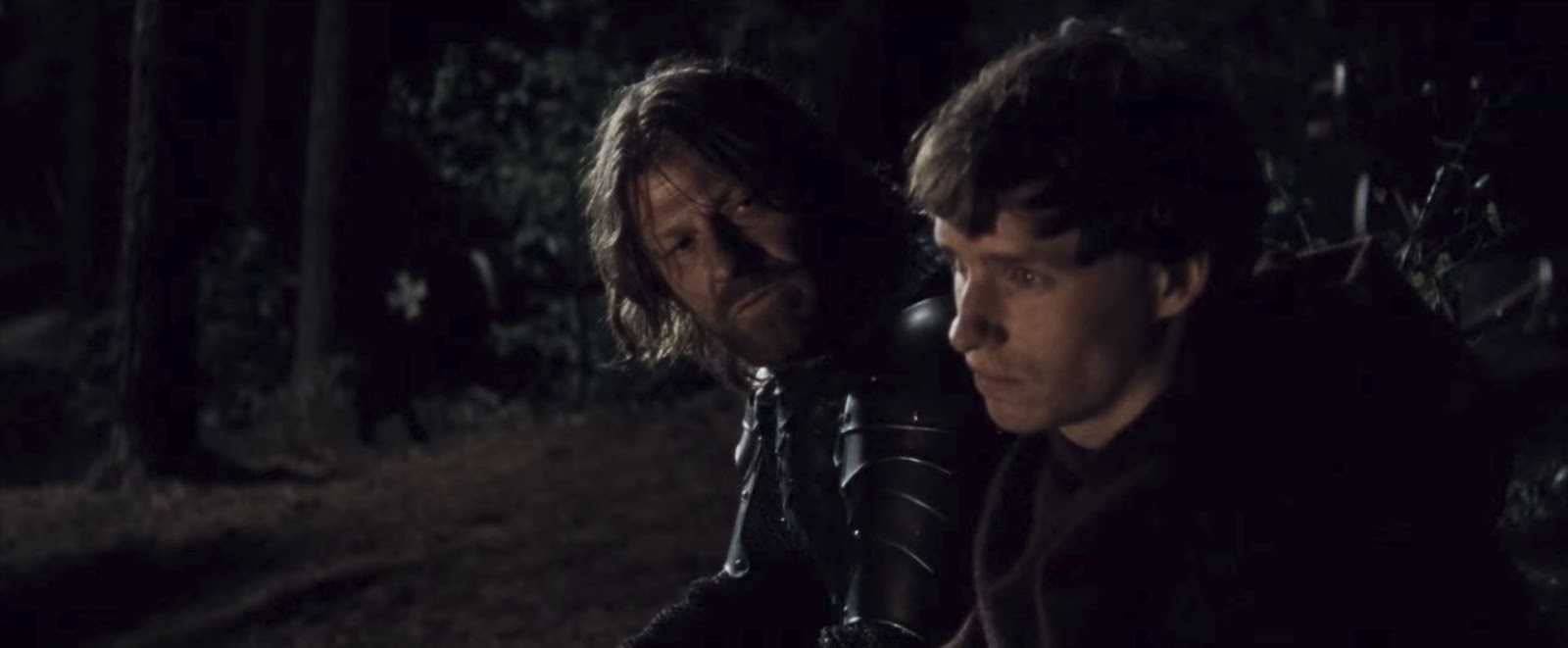
The year is 1348 and the Black Death is ravishing England. The Theory of Everything’s Eddie Redmayne plays a monk who breaks his vows of celibacy when he falls in love with a woman. As the plague reaches their region, he urges her to flee into the relative safety of the forest. She agrees, but only under the condition he leaves the monastery once and for all. She’ll wait for him at a predetermined meeting place, but only for a week. If he doesn’t make a decision by then he’ll never see her again.

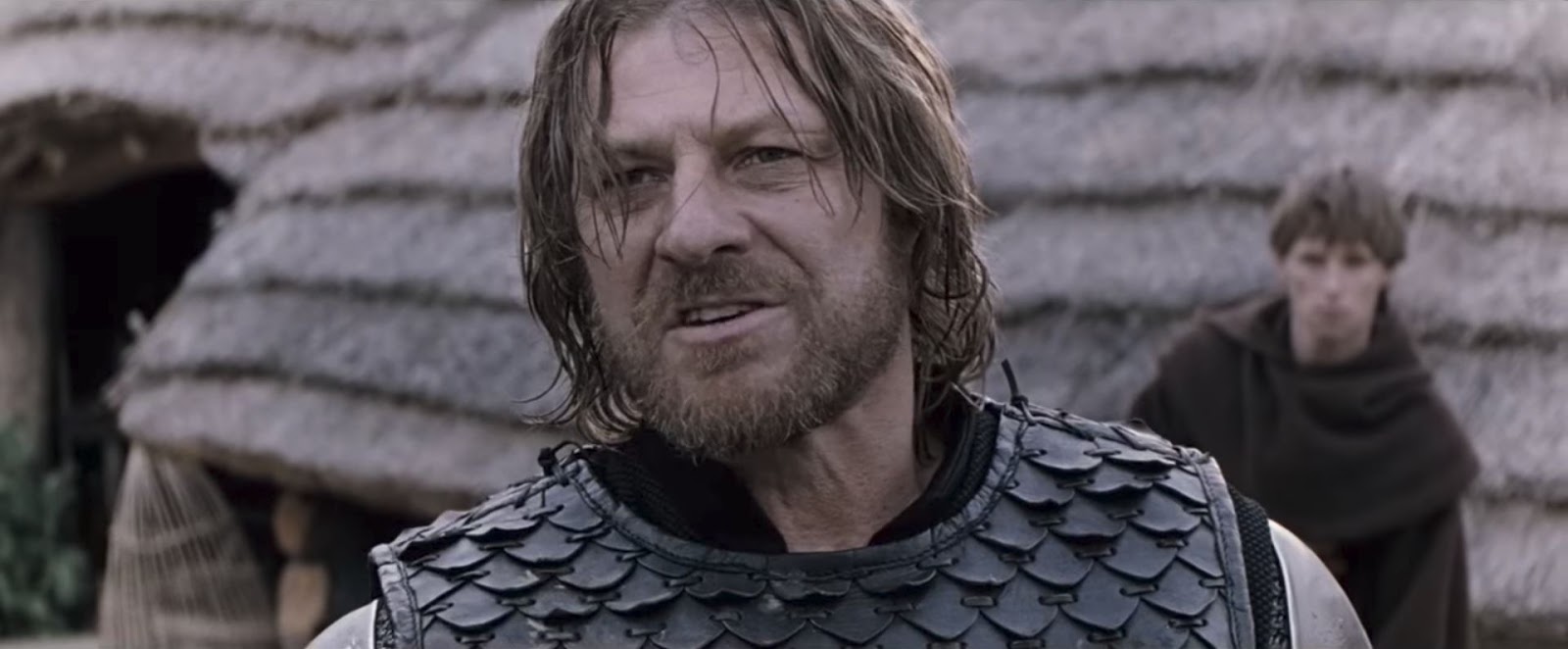
Torn between his vows and the woman he loves, the monk prays for some sort of guidance. He takes it as a divine sign when a knight named Ulric (Game of Thrones’s Sean Bean) arrives at the monastery, seeking someone who can guide his party through the difficult lands. The monk jumps at the chance as no one else knows the area better and he’s swept away on a miserable and bloody adventure.

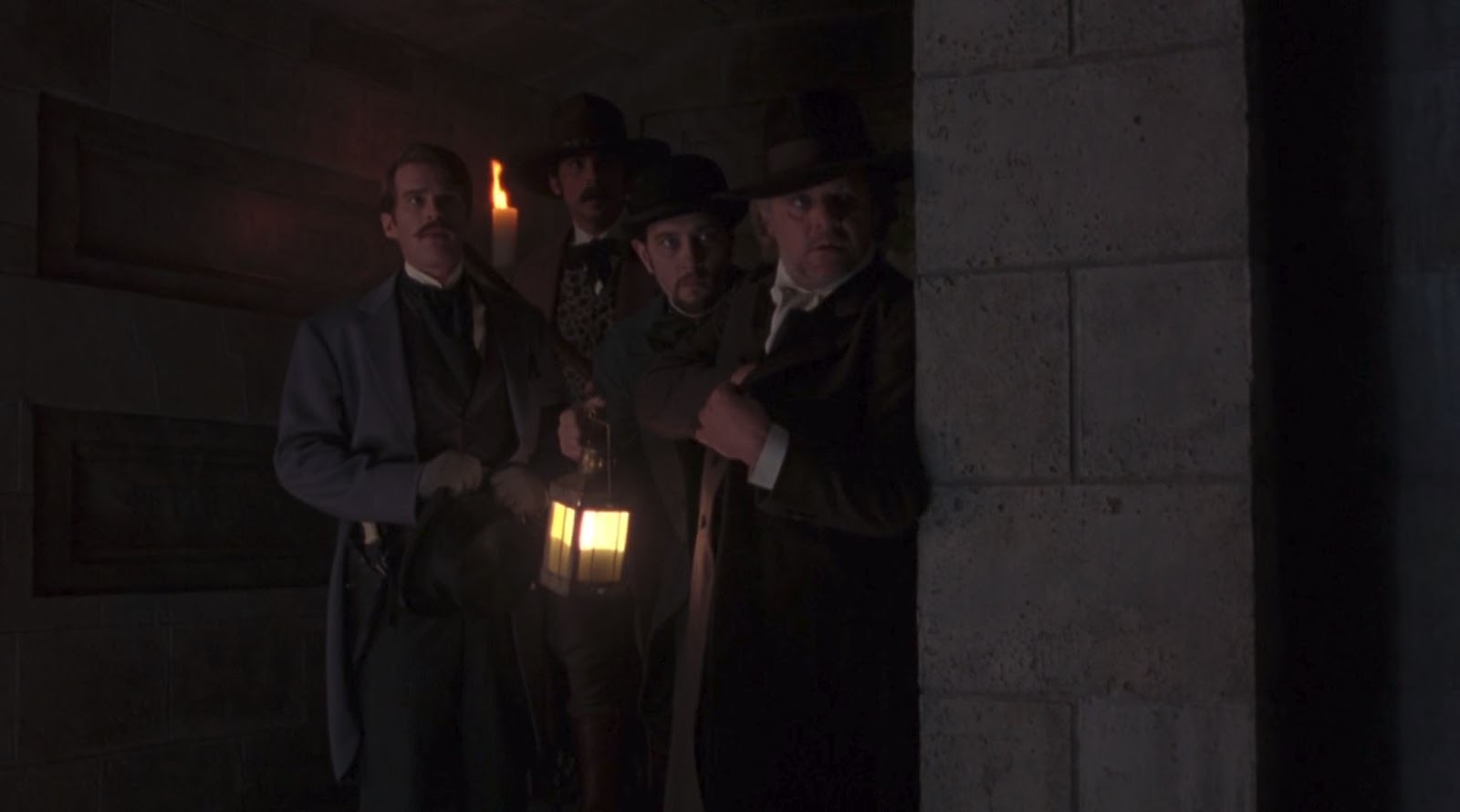
It turns out Ulric has learned there’s a remote village which has yet to be afflicted by the plague. Naturally, he and his ragtag group of soldiers suspect there’s a sorcerer there who caused the plague in the first place. The monk is shocked to find that the men he’s traveling with are master interrogators and one of their instruments is a torture device designed to split a human from asshole to chin. These aren’t good men, even though they think they’re doing the lord’s work, but they may just be the closest thing to a hero you’re gonna get from a movie like this one.

To say any more would spoil the horror. Much of the latter half verges on absurd, which would normally clash with the first half’s tone, but it’s a decent little flick. The unhampered violence, which stops just short of full-blown exploitation, will turn many away, but here’s my problem with dismissing it as gratuitous: we live in a time when full grown adults believe the very same superstitions as the characters in The Black Death. It’s much more important to show how horrific senseless violence was rather than downplay it.

So this is a period piece that’s more likely to satisfy fans of horror than anyone looking for a historical drama. There’s nothing wrong with that. It’s a well-crafted piece of fantasy and it’s a shame it’s not better known. I will say the backside of the climax was a little silly (one character delivers a speech in the manner of a Bond villain), but I can think of several horror films far worse than this. It’s perfect for a Saturday afternoon.