

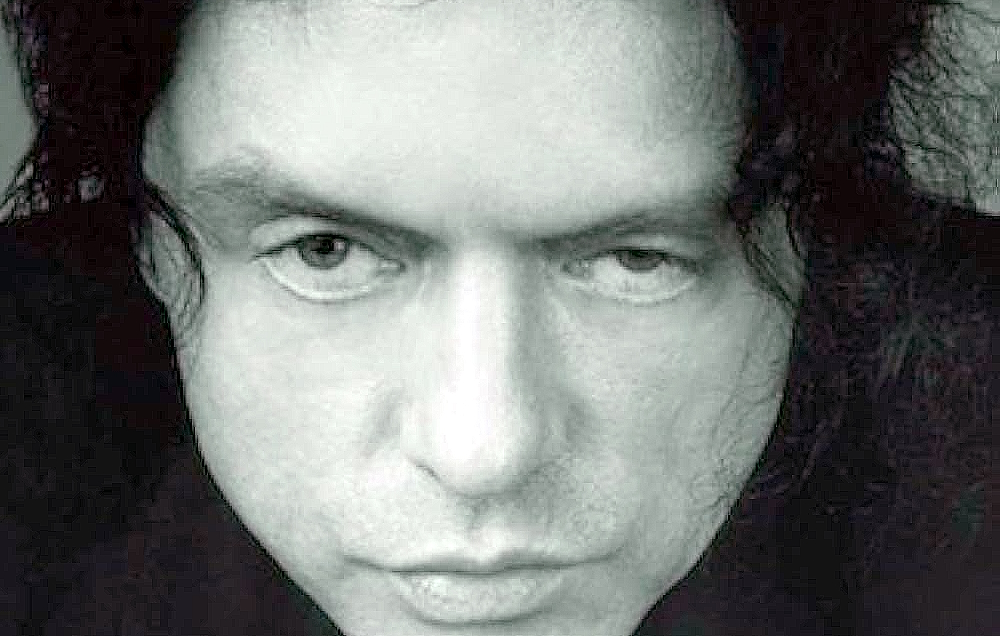
Here are a few facts about vanity filmmaker Tommy Wiseau:
- He shot The Room on film and video using side-by-side cameras. Why? No one knows.
- He built the infamous rooftop set in a parking lot despite having access to at least two real-life rooftops.
- He built an alley set in a building which had a perfectly usable alley outside.
- He’s mysteriously rich.
- Whenever questioned about his bizarre creative decisions, he often replies, “No Mickey Mouse bullshit.”
- He maintained a billboard of his face on Highland Avenue for five years at five grand a month.
When it was clear Hollywood wasn’t going to give him the role of a lifetime, Tommy Wiseau decided to take matters into his own hands. He wrote, directed, and produced The Room, which is today considered one of the greatest bad movies of all time. This thing has such a cult following that James Franco purchased the movie rights to The Disaster Artist, which will feature Franco himself as Wiseau, Dave Franco, Seth Rogen, Hannibal Buress, Kate Upton, Zac Efron, Alison Brie, Sharon Stone, and Bryan Cranston.
The Disaster Artist is a 2013 book by working actor Greg Sestero, The Room’s co-star. In the book, Sestero details the unlikely friendship he forged with Wiseau who was at least twenty years his senior (Wiseau’s exact age is unknown). It quickly becomes apparent the reclusive filmmaker is a deeply guarded person despite his dreams of megastar fame. Whenever he does open up about his past, the contradictory stories are unlikely at best. To this day people are still trying to piece together the clues about his origins. He’s like the Jack the Ripper of independent cinema, a guy who stormed out of obscurity and plunked down a ridiculous amount of cash to make himself a star.
Not only did The Room cost six million dollars to make, but Wiseau maintains homes in both San Francisco and Los Angeles, the latter of which he hadn’t visited in so long he couldn’t remember the code to the alarm system (1234, as it turns out). The story is mostly about Sestero—because there’s so much we’ll never know about Wiseau—and his own quest as a Hollywood hopeful. It’s at an acting class where he first meets Wiseau, who is last picked when the students are instructed to pair up. Sestero, at the time, thinks Wiseau’s madness is charming. Despite the protests of friends and family, who suspect Wiseau is either mafioso or possibly the Zodiac Killer, Sestero agrees to move out to LA with his new buddy.
When Wiseau meets Sestero’s concerned mother for the first time, as the men are headed out to LA, she warns Wiseau not to hurt her son. Sestero writes:
I put my hands over my eyes. The worst thing Tommy could do in response to this request, I thought, would be to chuckle creepily.
“I would not,” Tommy said, chuckling creepily.
The Disaster Artist is so funny at times my laughter woke my partner up even though she was in a separate room. Most readers will probably come to this book seeking the same answers I did, hoping for a shred of insight into Wiseau’s bizarre mind. Yet by the end of the book you won’t know much more about why Tommy Wiseau made the movie he did. If the book had shed light on these matters, The Room, and Wiseau himself, may have lost their allure.
I’m thrilled the story behind the scenes is as curious as the movie itself. There are a lot more questions than answers, which makes it all the more fun. The best answer you’re going to get? “No Mickey Mouse bullshit.” Ha ha ha, what a story, Greg.
 The Goug' Blog